
AI-Powered Warehouse
Management for Precise, Real-Time Control
Helping Australian warehouses improve accuracy, efficiency, and visibility.
- 98.5% Inventory Accuracy
- 40% Reduction in Manual Effort
- 2X Faster Inbound–Outbound Operations
- 83% Fewer Dispatch Errors in Pilot Deployments

What AI Warehouse Management Does Differently
Most warehouses still rely on barcode scans, spreadsheets, and periodic cycle counts—tools built for documentation, not decision-making. As a result, 45% of order returns stem from warehouse-level errors, and nearly 30% of operational hours are lost to manual checks and corrections. These aren’t edge cases—they’re everyday inefficiencies baked into outdated systems.
iProgrammer replaces static workflows with intelligent vision-led systems that observe, learn, and act in real time. From detecting FIFO violations to preventing dispatch mismatches before they happen, our AI doesn’t just automate tasks—it improves how your warehouse thinks.
Give Us an Edge
Our AI distinguishes between near-identical SKUs—by shape, size, or visual packaging traits—ensuring high-value items aren’t mistaken or misrouted in high-volume environments.
From pick delays to unexpected stoppages, the system flags bottleneck the moment they happen—not after shift-end reports—enabling supervisors to intervene instantly.
Based on order data, location clustering, and priority, our AI dynamically generates optimal picking routes that reduce back-and-forth travel by up to 35%.
Low-movement items occupying high-traffic zones? The system spots misallocations in real time and recommends re-slotting for better throughput and accessibility.
Track activity patterns across zones to identify over- or under-utilized areas and allocate manpower with precision—without surveillance-style micromanagement.
Synchronize picking, packaging, and dispatch tasks across large warehouses or multi-floor facilities, ensuring zero idle time between dependent operations.
When anomalies occur—wrong SKU, damaged item, expired batch—the system logs, flags, and suggests corrective action automatically, reducing dependence on floor supervisors.
Every touchpoint—from bin to box to bay—is recorded with time-stamped visuals and metadata, creating a searchable, visual audit trail for compliance and internal QA.
for Warehouse Efficiency

Real-time vision systems that count inventory accurately—without barcode scans, manual inputs, or physical audits. They operate in the background and keep your stock data updated around the clock.

AI that analyses movement velocity, item grouping, and space utilization patterns to recommend ideal rack or bin locations—helping you store more, walk less, and pick faster.
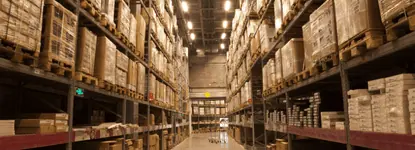
Whether you're dealing with perishable items or compliance-sensitive inventory, this module ensures pickers are guided to the right unit based on shelf life, age, or temperature thresholds—no spreadsheets or manual tracking needed.

Before an item leaves the floor, this system visually inspects boxes for broken seals, damaged goods, or mislabelling—reducing rejections, returns, and customer complaints downstream.

This AI module matches scanned orders with packed goods, flagging mismatches in real time. It prevents the wrong item from ever leaving your facility, protecting both your SLA and your brand.
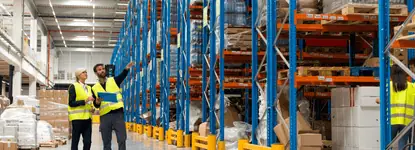
Continuous inventory auditing through vision—not interruption-heavy cycle counts. The system flags anomalies zone-wise, prompting only targeted manual checks where needed.
AI-Powered
Warehouse Management Process
We begin with floor walkthroughs, mapping inbound, storage, and outbound workflows. Every process pain point is logged. We also collect SKU visuals, zone layouts, and operational data to identify high-impact AI opportunities.
Based on your warehouse setup—SKU types, packaging formats, movement flow—we train detection models tailored to your environment. These models are built to learn and improve from your day-to-day floor activity.
We design optimal visual coverage based on line-of-sight requirements. Whether using fixed installations or mobile units, our setup avoids infrastructure overhaul and ensures high-accuracy event capture.
Our AI layer connects to your existing ERP, WMS, OMS, or other tools to ensure seamless two-way data sync—covering stock levels, order updates, GRNs, invoices, and more.
We deploy the solution in a targeted zone—like a rack section or dispatch lane—so you can validate performance before scaling. Real metrics, real outcomes, low risk.
Post-deployment, we refine rules, retrain models for new SKUs or patterns, and support system tuning based on seasonality, volume shifts, and evolving goals.
Industries We Empower with
AI Warehouse Intelligence

In fast-moving fulfilment centres, speed can’t come at the cost of accuracy.
- Tracks thousands of SKUs visually—without barcode dependency
- Flags pick-pack mismatches before shipment leaves the floor
- Enforces FIFO on trend-sensitive or perishable stock
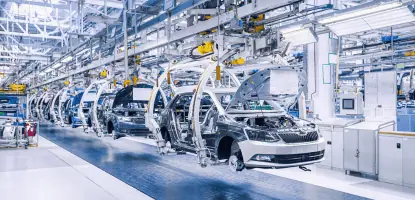
From raw material intake to finished goods dispatch, every handoff matters.
- Detects component misplacement or short-supply in real time
- Maps inventory across WIP stages with zone-wise visibility
- Validates packaging before shipment for contract compliance

Where shelf life, storage conditions, and regulatory traceability are non-negotiable.
- Tracks expiry, batch age, and compliance limits automatically
- Detects environmental anomalies in temperature-controlled zones
- Generates audit-ready logs of every touchpoint across the chain
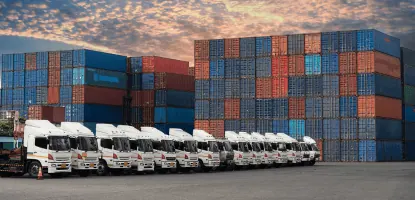
Multiple clients, shifting SKUs, and peak loads—every variable matters.
- Auto-reconciles client-specific inventory without physical intervention
- Adapts picking logic dynamically across diverse SOPs
- Cuts cycle counting time by up to 70% using zone-based visual checks
Tiny components, tight tolerances, and zero room for error.
- Differentiates between visually similar SKUs with high precision
- Validates order-package match using vision, not just scan data
- Prevents shipment of mismatched, unverified, or wrong-config items

Stock rotation, hygiene standards, and energy efficiency in one equation.
- Identifies expired, misplaced, or skipped FIFO items instantly
- Flags damaged packaging before dispatch in chilled environments
- Suggests optimal storage plans to reduce overcooling energy cost
Staying Manual
time spent by warehouse teams in manual validation
revenue leakage due to packaging and shipment errors
Why Choose iProgrammer AI Warehouse Management
AI algorithms continuously assess product movement patterns and recommend best-fit storage locations. No more overstuffed aisles or wasted picking time.
Every item is tracked for age, condition, and expiry. When it’s time to pick, the system guides workers to the most appropriate stock—automatically.
Pre-dispatch scans match outgoing packages with order data—ensuring no missing items, broken packaging, or wrong SKUs leave your floor.
We connect to your ERP, OMS, and logistics tools—so updates happen across systems, not just inside the warehouse.
Our AI doesn’t plateau. It learns from historical flow patterns, recurring issues, and feedback loops to improve suggestions over time.
With logs of every movement, count, and validation event, you’ll be prepared for any audit—with documentation already structured and accessible.
Whether it’s a 5,000 sq. ft. facility or 200,000 sq. ft. distribution hub, our system adapts to your scale—using existing cameras or mobile vision units.
Outcomes
A mid-sized distribution warehouse relied on fortnightly cycle counts to maintain inventory accuracy. This approach disrupted operations, created bottlenecks in order fulfilment, and left teams scrambling during audits.
We implemented a vision-based inventory monitoring system powered by AI. Cameras continuously tracked SKU movement and stock levels across zones, eliminating the need for manual checks and enabling real-time audit readiness.
- 70% reduction in manual inventory checks
- Inventory accuracy improved to 98.2%
- Audit preparation time reduced by 90%
The warehouse faced recurring dispatch mismatches—wrong SKUs, damaged packaging, and unscanned items—leading to frequent returns and strained customer service teams.
We deployed an AI-powered pre-dispatch validation layer integrated with the company’s order management system. The system visually verified each outbound package against order data, flagging inconsistencies before shipment.
- 87% reduction in dispatch errors
- Significant reduction in return handling and customer complaints
- Dispatch processing time reduced by 45 seconds per order
Inefficient space utilization and inconsistent stock rotation resulted in higher energy consumption and expired goods remaining undetected. Manual FIFO tracking was unreliable, especially during high-load seasons.
We introduced AI-led storage optimization with real-time expiry-aware picking guidance. The system recommended ideal placement and retrieval actions based on stock age, movement velocity, and environmental parameters.
- 23% increase in usable storage capacity
- 99.1% compliance with FIFO protocols
- 14% decrease in energy consumption per pallet
The Future of AI Warehouse Management & How We’re Adapting
AI in warehouse management is evolving from automation to foresight. The next phase is about systems that anticipate, adapt, and self-improve. At iProgrammer, we’re already engineering for that shift.
AI that forecasts optimal storage locations based on upcoming orders, historical movement, and seasonal trends—reducing congestion before it starts.
Algorithms that evolve with your operations, identifying new inefficiencies or risk patterns without retraining dependencies.
Notifications that adjust urgency based on inventory criticality, customer SLAs, or multi-order impact—so teams aren’t overwhelmed with noise.
Vision systems paired with AI-generated summaries that give managers real-time insight—without walking the floor or digging through dashboards.
Our deployments are built to adapt—automatically learning from SKU changes, packaging updates, or layout shifts with minimal input.
We’ll help you identify the gaps, apply the right intelligence, and move forward with confidence.
