
AI-Based Incident Reporting
Built for Speed, Insight, and Safety
Stay ahead of workplace incidents with intelligent, real-time monitoring that alerts, documents, and drives action.
- 90% Faster Incident Detection
- 50% Reduction in Report Filing Time
- 3X More Accurate Injury Documentation
- One-Click ERP and Compliance Integration
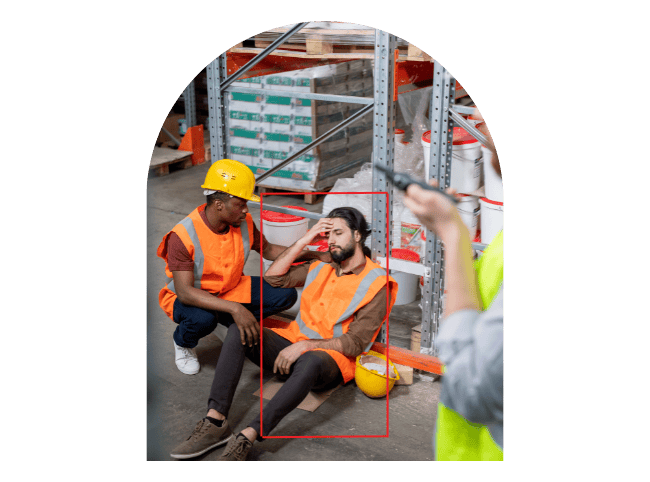
In high-risk environments, incident reporting must be fast and precise. Yet many sites still rely on handwritten logs or delayed supervisor inputs. By the time an incident is reported, critical minutes are lost, details fade, and the chance for timely intervention is gone. The data is clear: 41% of safety violations go unreported, often due to fatigue or fear. When they are reported, it takes 3–6 hours on average. For mid-sized operations, that delay costs $30,000–$36,000 annually in penalties, litigation, and insurance friction.
iProgrammer’s AI-Based Incident Reporting changes that. Built for real-world risk, it doesn’t wait for someone to file a report. It detects incidents as they happen, alerts the right teams, captures visual evidence, and logs everything into your ERP—within seconds, without human delay. While legacy systems record after the fact, iProgrammer responds in the moment. It understands posture shifts, injury cues, and high-impact events—turning every camera into a smart witness and every incident into a complete, compliant record.
Core Features That Power the AI Incident Reporting
Advanced computer vision algorithms detect falls, sudden stops, and unnatural posture without wearables.
Trained on thousands of injury datasets, the system reads signs of pain, trauma, or reduced mobility — especially where verbal reporting fails.
Smart Alerts
Each work area is mapped with custom thresholds. Alerts are triggered contextually based on environmental and role-specific norms.
Risk Scoring
The system recalibrates risk levels for each zone based on incident patterns — spotlighting high-risk areas for faster intervention.
One click creates tickets, triggers medical logs, notifies insurers, and logs entries for audits — so compliance isn’t an afterthought.
Each incident generates a timestamped, evidence-backed report — complete with snapshots, logs, and AI commentary.
Weekly and monthly reports identify emerging trends: repeat incident zones, high-risk shifts, or recurring posture patterns.
Repository
Securely stored footage supports insurance claims, internal reviews, and training sessions.
From Incident to Insight
iProgrammer’s AI-based Incident Reporting System is engineered for speed, precision, and end-to-end automation. From detection to documentation to risk learning—it closes the loop in real time.
The system continuously analyses live camera feeds across work zones, using a blend of visual, behavioural, and auditory signals to detect high-risk events such as:
Once flagged, the system activates a coordinated alert protocol:
The system automatically logs the incident via ERP integration—capturing employee ID (via facial or RFID recognition), incident time, zone, severity level, and a visual snapshot. A structured AI-generated report is attached, and a safety ticket is created instantly.
After supervisor sign-off, the system automatically:
And How We Solve It
We Help You Capture
AI-based reporting isn’t limited to just injuries. Our system is built to detect, log, and escalate a wide range of high-risk events that often go unnoticed or unrecorded:
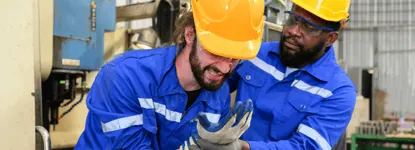
- Falls
- Limping
- Head trauma
- Collapse
- Prolonged inactivity in dangerous zones
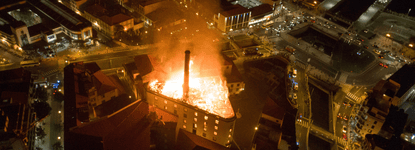
- Sudden flame ignition
- Smoke plumes
- Heat surges
- Short-circuit sparks
- Electrical flashes

- Unauthorized access to restricted areas
- After-hours movement
- Tailgating
- Badge misuse
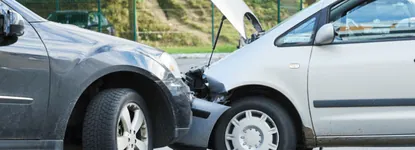
- Forklift crashes
- Robot arm mishaps
- Dropped materials
- Loading dock accidents
- AGV obstructions
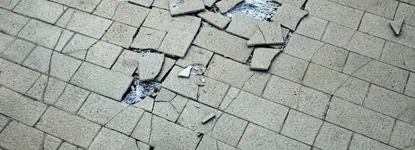
- Cracked flooring
- collapsed shelving
- machinery breakdowns
- leaking pipes
- shattered glass
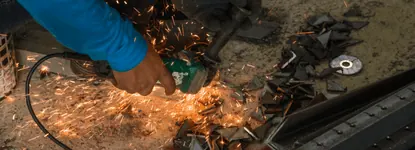
- Slips caught before impact
- Narrowly avoided collisions
- Blocked emergency exits
- Unsafe tool placements

- Running in work zones
- Skipping PPE
- Improper lifting
- Manual override of machine safety protocols

- Oil and chemical spills
- Water pooling
- Exposed wiring
- Gas leaks
- Blocked ventilation
to Expand Capability
Every iProgrammer deployment comes with these essential AI-powered safety modules as standard.
Enhance your safety and compliance ecosystem with modular extensions built for scale.
Best Practices iProgrammer Follows in
AI-Powered Incident Reporting
We connect AI-driven detection with your existing CCTV, ERP, HRMS, and compliance tools. Every alert becomes part of an end-to-end system — not another silo.
Our AI models don’t stand still. We refine them based on real incident data, new risk patterns, and your team’s feedback — ensuring accuracy improves over time, not fades.
All incidents are not equal — our system scores and ranks them by severity, location, and context, reducing false positives and focusing response where it matters most.
Every closed ticket feeds analytics. We update zone risk scores, recommend inspection priorities, and surface behavioural trends — making your safety program proactive, not reactive.
From auto-filled audit logs to timestamped incident reports, compliance is built into the workflow — helping you meet ISO, OSHA, and site-specific standards without extra work.
Our system doesn’t replace your safety teams — it strengthens them. AI handles the detection and documentation, so your teams can focus on decisions, not data entry.
High-Throughput Environments
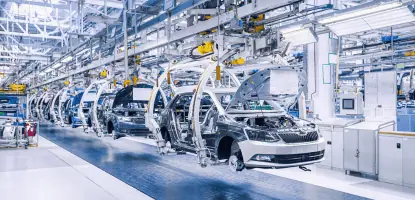
In fast-moving production environments, even a short delay in incident detection can halt entire lines.
- Detects slips, trips, or posture collapse in machinery zones using audio-visual signals
- Flags motion inconsistencies near robotic arms or conveyor systems
- Automatically generates safety reports for audit and compliance
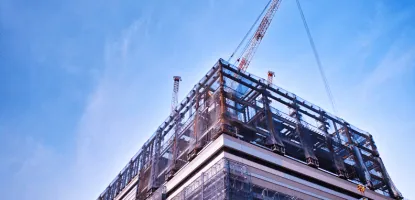
On-site hazards evolve by the hour—and human supervision can’t cover every corner.
- Identifies scaffold falls, equipment collisions, or tool drop injuries in real time
- Pins camera feeds for rapid response in multi-floor or large-area sites
- Tracks risk-prone zones for preventive planning
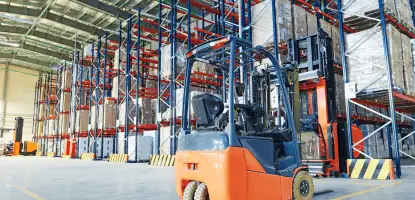
From forklifts to freight, movement-intensive operations demand constant vigilance.
- Detects heavy-lift mishaps, pallet collapse, or dock-area slips instantly
- Triggers site-level alerts and logs footage for incident validation
- Integrates with shift data to highlight high-risk time windows
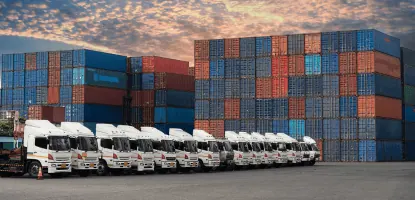
In high-throughput docks and dispatch yards, manual monitoring misses too much, too fast.
- Monitors vehicle-pedestrian interactions at choke points
- Flags high-impact collisions or personnel falls around loading zones
- Supports real-time visibility for multi-location operations
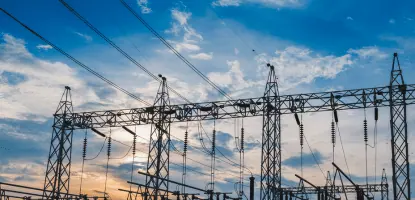
Remote or underground operations need more than delayed supervisor reports.
- Detects sudden posture drops, fall events, and visual obstructions in hard-to-reach zones
- Sends alerts even when network coverage is patchy
- Links data with ERP for centralized safety documentation

Hygiene-critical facilities face risks beyond injury—non-compliance and contamination.
- Identifies falls or collapses in low-temperature environments
- Flags behavioural anomalies in hygiene-sensitive areas
- Stores evidence for insurance and safety audits
Implementation Process
We start with a focused audit of your site layout, shift patterns, and blind spots to identify where incident detection matters most — no guesswork, just priority targeting.
Detection models are trained on your specific injury risks, workflows, and SOPs — ensuring the system flags what’s truly relevant, not false alarms.
We connect with your existing CCTV, ERP, and HRMS infrastructure — enabling identity tagging, real-time ticketing, and compliance sync without disrupting operations.
Through live simulation and stress testing, we fine-tune sensitivity levels and verify response flows — so alerts are precise, not noisy.
Post-deployment, the system learns from real-world patterns — updating zone-level risk scores, surfacing trends, and helping your teams prevent the next incident before it happens.
Fails to Protect
lost to penalties, insurance disputes, and compliance gaps in mid-sized operations
average delay between incident and formal report — leaving teams blind when it matters most
Outcomes
A large cement facility faced repeated fall incidents in its silo maintenance zones, many of which went unnoticed until the end of the shift. Manual reporting delayed first response and created audit trail gaps, impacting both compliance and worker confidence.
We deployed zone-calibrated AI incident detection integrated with multi-camera feeds and contextual alerts. The system automatically triggered real-time alarms, pinned live visuals to the control room, and pushed incident tickets into their ERP — all without waiting for human input.
- 83% reduction in delayed incident reporting
- ERP reporting time cut from 3 hours to under 15 minutes
- Safety audit trail completeness improved from 61% to 97%
Field workers often avoided reporting minor injuries due to fears around wage cuts or job delays. This led to underreported incidents, late-stage medical issues, and lost claim opportunities.
We activated AI-based detection of limping, clutching movements, and pain expressions — removing the burden of self-reporting. Incident tickets and medical workflows were triggered automatically, ensuring timely intervention without manual escalation.
- 3X increase in first-response medical interventions
- Insurance claim cycle time reduced by 45%
- Estimated 70% drop in underreported incidents
A multinational logistics provider struggled to detect high-impact forklift incidents during night shifts. With minimal supervision and no real-time visibility, late-night collisions often went unnoticed until routine checks — increasing equipment downtime and injury risk.
Our AI system monitored impact sound patterns and visibility gaps, automatically identifying collision events. Critical alerts were pinned to control dashboards, while incident data was funnelled to ERP-linked maintenance workflows for timely resolution.
- 24/7 incident coverage achieved without additional headcount
- Increased supervisor accountability via camera-pinned alerts
- Recurring forklift incidents reduced by 38% through pre-emptive floor repairs
Empower your teams with AI that sees risks the moment they happen.
