
AI-Powered Fire & Smoke Detection for 24/7 Protection
Stop Fires Before They Start
- 99% Faster Fire Risk Detection
- 80% Fewer False Alarms
- 92% Faster Emergency Response
- 2 Million+ Sq. Ft. Protected
- Compliant with NFPA, ISO & OSHA

Why AI-Powered Fire & Smoke Detection?
AI-powered Fire & Smoke Detection uses smart video analytics to identify early-stage indicators—like smoke trails, flame flickers, and abnormal heat buildup—well before traditional detectors react. Unlike conventional systems that depend on visible smoke or heat thresholds, AI analyses subtle visual and thermal cues in real time.
Effortlessly connected to your current CCTV/IP system, it identifies variations in smoke opacity, temperature, and flames to sequentially trigger alarm systems using dashboards, mobile applications, alarms, and public address systems. For example, a 20% density and a 10°C rise can trigger ventilation and notify supervisors, whereas a 50% opacity and a 30°C rise can initiate evacuation procedures and activate suppression systems.
The system learns and improves continuously—lessening false alarms due to fog, dust, or steam—and logging every occurrence for audit, compliance, and trend analysis. With 72% of industrial fires beginning undetected and false alarms leading to expensive downtime, this AI-first strategy moves safety from reactive to proactive.
iProgrammer AI-Powered Solution
Inside iProgrammer’sAI Fire & Smoke Detection System
At iProgrammer, we build AI systems that don’t just detect threats—they anticipate them. Our Fire & Smoke Detection system is designed for sophisticated, high-hazard settings where early warning averts expensive disasters.
Backed by 3+ years of vision AI innovation and field-tested across several of real-world fire conditions, the system integrates deep-learning models with a hybrid edge-cloud infrastructure. It offers quick, localized detection and centralized visibility—without affecting your existing infrastructure.
Synthesizes real-time smoke and heat analysis to provide complete threat detection on visual and thermal spectrums.
Intelligent event classification by severity—providing the appropriate response level, every time.
Activates alarms, notifications, evacuations, and suppression systems instantly without any input from individuals.
Automatically focuses on incident areas, assisting security personnel in assessing real-time evolving situations.
Automatically refreshes incident reports, starts maintenance processes, and emphasizes alerts in organizational systems.
Even when there are network disruptions, edge nodes keep tracking, sensing, and reacting locally.
Produces in-depth analytics for safety, HR, and compliance stakeholders for aiding audits and planning.
Response Automation
Three smart alert stages depending on the density of smoke and heat rise initiate related safety measures:
- Smoke Opacity: Less than 20%
- Heat Rise: Less than 10°C above ambient
- Smoke Opacity: Between 20% and 50%
- Heat Rise: Between 10°C and 30°C above ambient
- Smoke Opacity: More than 50%
- Heat Rise: Greater than 30°C above ambient
Preventive Actions
Besides alerting and responding to emergencies, our system is also intended to predict risk—avoiding the chances of a fire before it begins.
- Detects overheating equipment or electrical devices prior to reaching risk levels.
- Marks unauthorized combustible material storage in the vicinity of heat sources.
- Alerts on repeated smoke occurrences in certain shifts or areas, indicating underlying problems.
- Automatically suggests replacement of parts and inspections based on the behaviour of equipment.
- Forecasts failures in ducts, vents, or filters that may affect air quality or cause smoke.
- Sends context-aware alerts to maintenance teams ahead of minor anomalies turning into major issues.
- Suggests drill timings based on real-life risk data and zone-wise trends.
- Enables specific safety training for teams working in high-risk zones.
- Summarizes zone-wise risks, alarm response trends, and worker activity patterns.
- Recommends retraining, maintenance, and sensor adjustments based on data insights.
- Integrates with ERP and safety workflows for auto-triggered preventive actions.
AI model-based analysis of CCTV streams continuously to identify smoke plumes, fire, and unusual heat signatures—24/7, in each monitored area.
Our patented visual algorithms utilize multi-level learning to detect smoke, steam, sunlight, and heat reflections. This minimizes false alarms and enhances the detection of threats during their early stages.
Alerts
Notifications are transmitted through dashboards, mobile applications, fire alarm systems, and public address systems during a threat—enabling rapid containment and evacuation.
Monitors thermal patterns and activity rates to highlight prospective fire-risk areas. Merges with AI's preventive module to recommend remedial measures prior to ignition.
We Safeguard
Engineered for Accuracy. Built for Real-World Complexity.
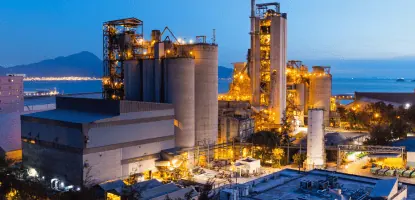
Industrial Plants
Hot areas, combustibles, and fast-process operations need continuous monitoring.
- Identifies sparks, smoke, and temperature irregularities on production lines and chemical warehouses.
- Guards' furnaces, paint booths, warehouses, and assembly units.
- Reduces fire stoppage downtime by as much as 65%.
- Automatically reports safety incidents to ensure insurance and regulatory compliance.

Commercial Real Estate
Active protection is not optional in areas where individuals reside, visit, or work.
- Monitors kitchens, service corridors, hallways, and laundry rooms.
- Supports multi-level fire panels and integrated building management systems.
- Provides evacuation alerts in multiple languages for rapid, clear response.
- Produces reports ready for audits related to compliance testing.
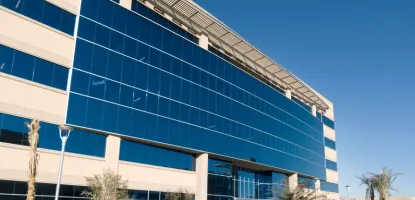
Healthcare Facilities
Zero room for fire risks where lives depend on uninterrupted care.
- Sensors for detecting smoke and heat in critical care, laboratories, and intensive care environments.
- Activates discreet alarms to alleviate concern in critical care zones.
- Connects with hospital IT systems for immediate, concurrent reaction.
- Prevents disruption of life-support and sterilization procedures.
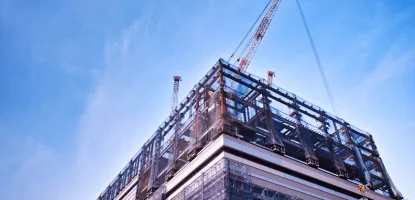
Infrastructure
Areas with high risk and dynamic conditions need prompt fire hazard detection.
- Protects busy areas, service areas, and storage areas.
- Works seamlessly with CCTV and security systems.
- Enables prompt notifications without disrupting business operations.
- Enhances safety drill results based on data-driven metrics.

Retail Hubs
Securing people and operations—without compromising on aesthetics or mobility.
- Protects busy areas, utility rooms, and storehouses.
- Works well with CCTV and security infrastructure.
- Enables real-time alerting without disrupting business.
- Improves safety drill outcomes with data-driven metrics.

Public Spaces
Where safety scale counts, AI makes coverage smarter.
- Discovers fire dangers in terminals, waiting lounges, and transit spaces.
- Eliminates spurious alarms in fog or crowded situations.
- Deploys alarms to central monitoring stations and local public address systems.
- Assists with continuity in critical infrastructure.

Residential Buildings
Sophisticated fire safety that seamlessly blends with contemporary living.
- Operates with residential CCTV and automation systems.
- Delivers instant mobile alerts at the initial indication of danger.
- Enables safe family evacuations through customized voice guidance.

Tech Infrastructure
When uptime is critical, fire protection must be immediate and undetectable.
- Identifies overheating, wiring issues, and electrical sparks ahead of time.
- Protects server racks, power supplies, and cooling systems.
- Functions with access control and BMS for automated response.
- Protections against thermal runaway and data loss with AI accuracy.
Cost of Fire
Estimated worldwide fire damage costs for commercial buildings (2024)
Annual economic effect of Australian fires—encompassing damage, emergency response, and prevention measures
Typical cost of rebuilding from the impacts of fire (down time and repairs)
Fires detected late, using manual systems or non-automatic warnings
Why Choose iProgrammer for
Fire & Smoke Detection?
Thinks Ahead
We don't simply detect—we predict. Our models learn from each episode to enhance subsequent outcomes.
Works on top of your current camera network. No rewiring. No down time. Just better safety from day one.
Whether in sterile lab environments or tough outdoor construction sites, our system has gained knowledge from countless real fire incidents.
Always-Accurate
Our system has no missed shifts or blind spots, unlike human evaluations.
and Secure
ISO, OSHA, NFPA code compliant crafted for straightforward inspections and secure functioning.
Across Sites
Seamlessly enhance fire safety regardless of operating a single plant or a global network of facilities.
Case Studies
A leading international retail brand suffered persistent false alarms at various busy locations due to electrical discharge from HVAC equipment placed near ceiling-mounted smoke detectors. The alarms resulted in tens of thousands of unnecessary evacuations, disrupted businesses, and lost customer confidence.
We integrated our AI Fire & Smoke Detection solution into their current CCTV framework at 30 retail locations. The AI was designed to differentiate between genuine smoke and HVAC vapor patterns, greatly reducing false alarms.
- 85% decrease in false alarms within the initial 30 days
- No emergency evacuations initiated due to lack of threats
- Operational continuity improved during high-demand periods
- Enhanced customer experience with no interruptions
A leading injectable pharmaceutical firm faced fire hazards in cleanroom spaces due to compressors overheating. These temperature spikes were often not noticed until alarms activated, which could jeopardize sterile settings and adherence to regulations.
Our system was deployed in compressor rooms and HVAC control zones. The AI was constantly tracking heat trends and behavior anomalies, providing advance notices as important thresholds were met.
- Two potential ignition incidents prevented in Q1 with early heat detection
- Thermal anomaly response time increased by 93%
- Frequency of fire drills reduced without compromising safety
- Regulatory inspections passed with no reported infractions
A large warehouse containing flammable materials lacked zone-specific fire monitoring. Traditional sensors were unable to scan fire risks in its vast, crowded area, leading to blind spots that increased vulnerability.
We implemented zone-based AI detection utilizing multispectral cameras to monitor heat signatures, smoke, and flames in areas with high-density racking and offloading zones.
- Response times decreased by 92% using localized, real-time alerts
- Enabled fire response crew to extinguish a small electrical fire in 40 seconds
- Lowered insurance costs by implementing proactive risk management strategies
- Improved audit ratings for fire safety readiness by 37%
Protect people, assets, and uptime—before it’s too late. Let’s build a smarter, safer environment—together.
