10 Ways AI is Transforming Renewable Energy Industry
- Feb 24, 2026
- The Convergence of Artificial Intelligence and Renewable Energy
- 10 Ways AI Is Driving Operational Change in Renewable Energy
- 1. Advanced Renewable Energy Forecasting
- 2. Predictive Maintenance and Asset Health Intelligence
- 3. Smart Grid Optimization and Load Balancing
- 4. Energy Storage Optimization
- 5. Renewable Energy Trading and Market Intelligence
- 6. Digital Twins and Real-Time Simulation
- 7. Decentralized Energy and Microgrid Orchestration
- 8. Climate Risk and Site Selection Intelligence
- 9. Carbon Accounting and ESG Automation
- 10. Strategic Asset Lifecycle and Investment Planning
- AI Across the Renewable Energy Value Chain
- Is Your Renewable Energy Organization AI Ready?
- Challenges in Building AI-Powered Renewable Platforms
- AI Implementation Cost Components
- Success Story
- Future of AI in Renewable Energy
- Strategic Tips for Leaders
- Conclusion
- Building AI-Powered Renewable Platforms with iProgrammer

A renewable plant rarely gives you a dramatic warning. It just misses forecast by a margin that is hard to explain. Nothing is broken. The equipment is running. The weather was within range. Yet performance is off. That gap may look small on paper. Across a portfolio, it is not.
Renewables are scaling rapidly. In 2024, they made up 92.5% of all new global power capacity additions, underscoring the pace of industry growth. This is the quiet pressure renewable operators deal with every day. Variability is built into the business model. Markets are volatile. Assets are distributed. Data is abundant but fragmented.
This is where ai in renewable energy is finding real traction. Not as a buzzword. As a practical tool inside forecasting systems, maintenance planning, storage optimization, and grid coordination.
The discussion has matured. It is less about whether AI sounds promising. It is about where it improves performance, where it introduces complexity, and how to implement it without disrupting operations.
This blog examines ten ways AI is actively shaping renewable energy today. It also looks at readiness, cost considerations, implementation challenges, and what the future is likely to demand.
The energy transition is not only about replacing fossil fuels. It is about managing variability. Solar output changes with cloud cover. Wind shifts unpredictably. Demand curves are volatile.
Traditional systems were designed for stable baseload generation. Renewable grids demand flexibility and real-time intelligence.
That is where artificial intelligence and renewable energy intersect. Machine learning models absorb weather data, sensor streams, historical output, market signals, and grid conditions. They convert raw data into actionable insights.
The shift is structural. AI does not sit on top of renewable infrastructure. It is becoming part of its control layer.
| Transformation Area | Value Chain Stage | Primary Decision Owner | Core Data Inputs | Measurable Business Outcome |
|---|---|---|---|---|
| Advanced Forecasting | Generation Planning | Operations & Trading Heads | Weather models, historical output, live telemetry | Reduced imbalance penalties and improved bid accuracy |
| Predictive Maintenance | Asset Operations | Asset Managers | Vibration data, thermal readings, performance logs | Higher uptime and lower O&M costs |
| Smart Grid Optimization | Grid Management | Grid Operators & Utilities | Load curves, distributed generation data, EV demand | Improved grid stability and fewer congestion events |
| Energy Storage Optimization | Storage Operations | Energy Portfolio Managers | Price signals, battery health data, demand forecasts | Increased arbitrage margins and extended battery life |
| Market Intelligence & Trading | Revenue Management | Energy Traders | Real-time pricing, weather forecasts, demand spikes | More stable revenue and reduced exposure risk |
| Digital Twins | Performance Engineering | Technical Directors | Sensor streams, environmental inputs, operational parameters | Faster scenario testing and lower operational risk |
| Microgrid Orchestration | Distributed Energy | Community Grid Operators | Local generation, storage levels, EV charging data | Improved resilience and local energy balance |
| Climate Risk Intelligence | Project Development | Strategy & Investment Teams | Long-term weather data, terrain maps, climate models | Smarter site selection and reduced infrastructure risk |
| Carbon & ESG Automation | Compliance & Reporting | Sustainability Officers | Production data, grid mix factors, emission coefficients | Accurate reporting and stronger investor confidence |
| Lifecycle & Investment Planning | Capital Strategy | CFOs & Portfolio Heads | Degradation trends, policy forecasts, price projections | Better capital allocation and long-term ROI protection |

Forecasting is the core of renewable economics. Variability in generation impacts trading positions, reserve, and grid stability. Even minor inaccuracies in forecasting can result in imbalance charges and lost revenue.
AI models combine high-resolution weather forecasts, satellite images, historical production patterns, and real-time telemetry. They continuously retrain as new data enters the system. This enhances day-ahead and intra-day forecasting.
Better forecasts strengthen market participation, reduce reserve dependency, and increase confidence in capacity commitments. For most companies, forecasting is the first application of AI with high business value in the renewable sector because the financial results are quantifiable.
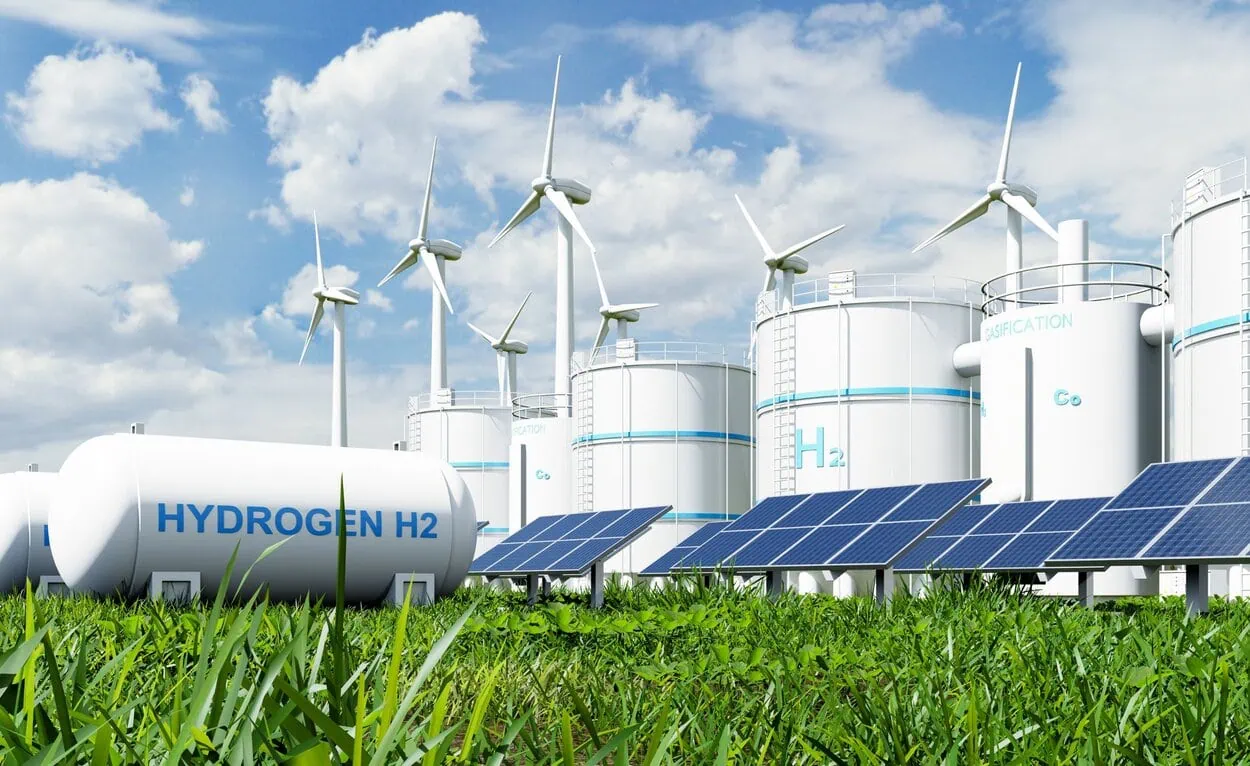
Wind farms, solar panels, and inverters are subjected to environmental conditions. Degradation due to mechanical stress often occurs over time. Maintenance becomes more reactive. Routine schedules waste resources.
AI systems analyze vibration data, thermal readings, output deviations, and component history. They detect patterns that signal early-stage wear. Maintenance becomes more proactive and condition-based.
This minimizes unplanned outages and maximizes asset life. Even a small increase in availability can mean significant revenue growth for big portfolios.
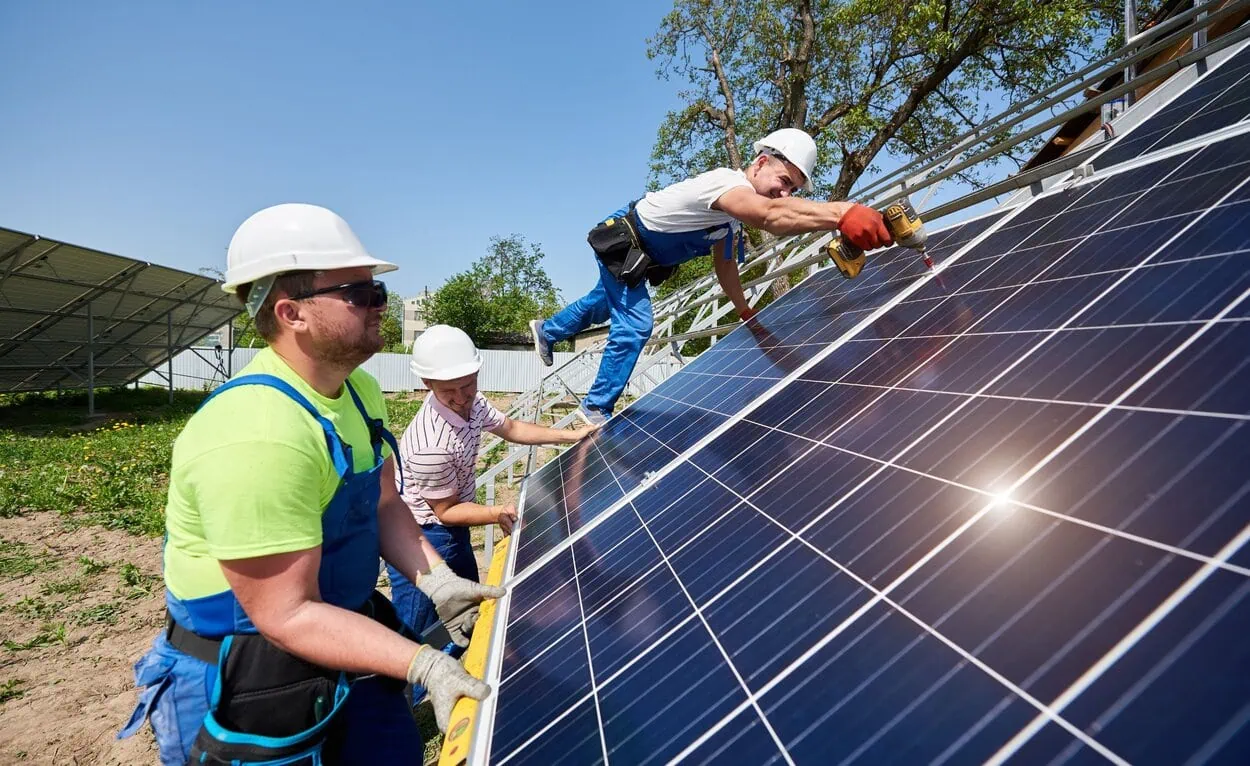
Renewables bring variability to grids that were designed for stable power supply. Managing distributed resources requires real-time coordination.
AI models process consumption patterns, storage levels, EV charging loads, and distributed generation inputs simultaneously. They forecast short-term demand and make dispatch decisions automatically.
This facilitates dynamic balancing and avoids congestion on the grid. As a result of increased renewable energy, grid intelligence is no longer a luxury but a necessity.
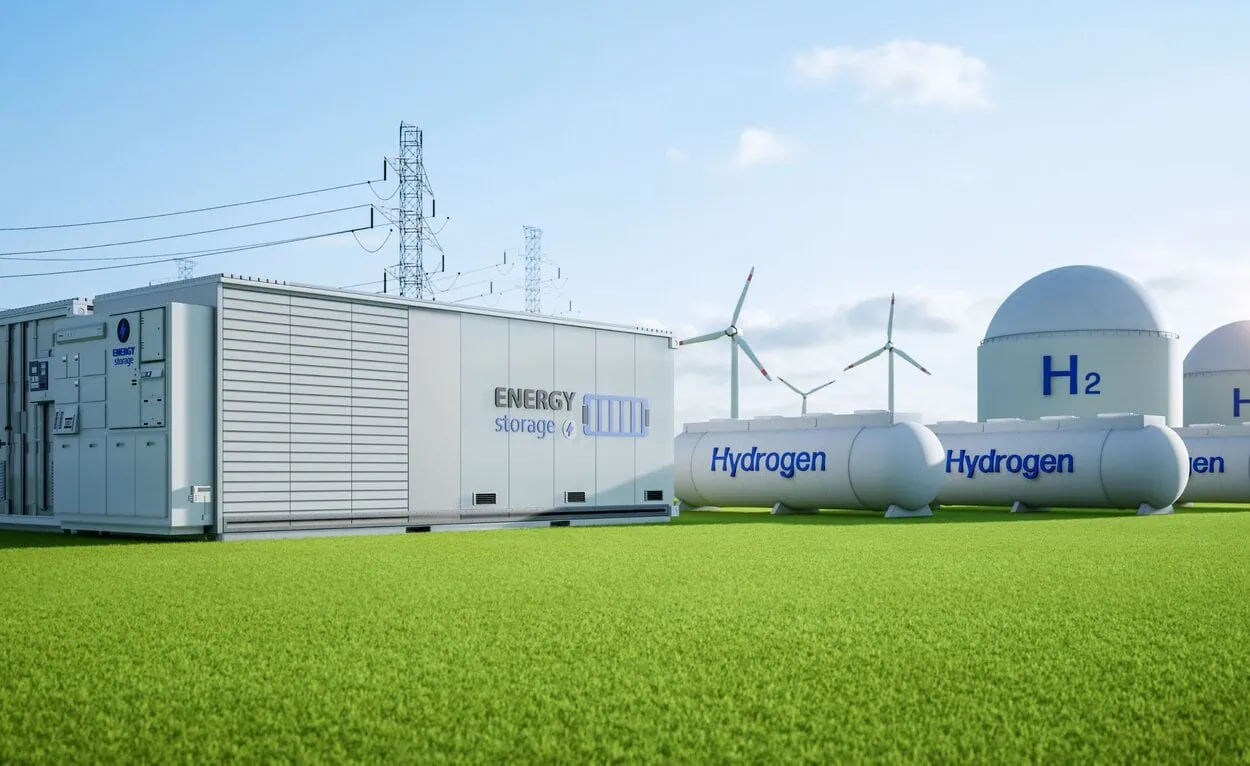
Battery storage systems determine the efficiency of time-shifting renewable energy. But profitable battery storage requires accurate timing of charging and discharging.
AI algorithms process price information, demand forecasts, weather forecasts, and battery status information at the same time. They decide when to supply and when to release power.
This improves arbitrage opportunities while limiting degradation. Storage assets become financially viable and operationally efficient.

Revenue is influenced not only by generation volume but also by market timing. Energy prices change rapidly with demand peaks and grid limitations.
AI models analyze historical price patterns, weather forecasts, and real-time market information. They offer predictive analytics to optimize bidding and reduce imbalance costs.
Producers enter markets with precise data. This is where ai for renewable energy directly impacts financial stability.

Digital twins create real-time virtual models of renewable energy sources. These models combine real-time sensor information, environmental conditions, and operational parameters.
AI models update the twin dynamically to reflect real-world performance conditions. Users can test scenarios such as load variations, aging, or expansion strategies without affecting actual operations.
This enhances decision-making and reduces risks. Simulation moves from static planning to dynamic optimization.
Rooftop solar, batteries, and electric vehicles are transforming the distribution of energy. The management of these decentralized resources is highly complex.
AI platforms connect local generation and consumption data. They determine the optimal energy allocation in microgrids, taking into account real-time dynamics.
This enhances the resilience of the system without depending on large-scale infrastructure. Smart management is required as the trend towards decentralization continues.
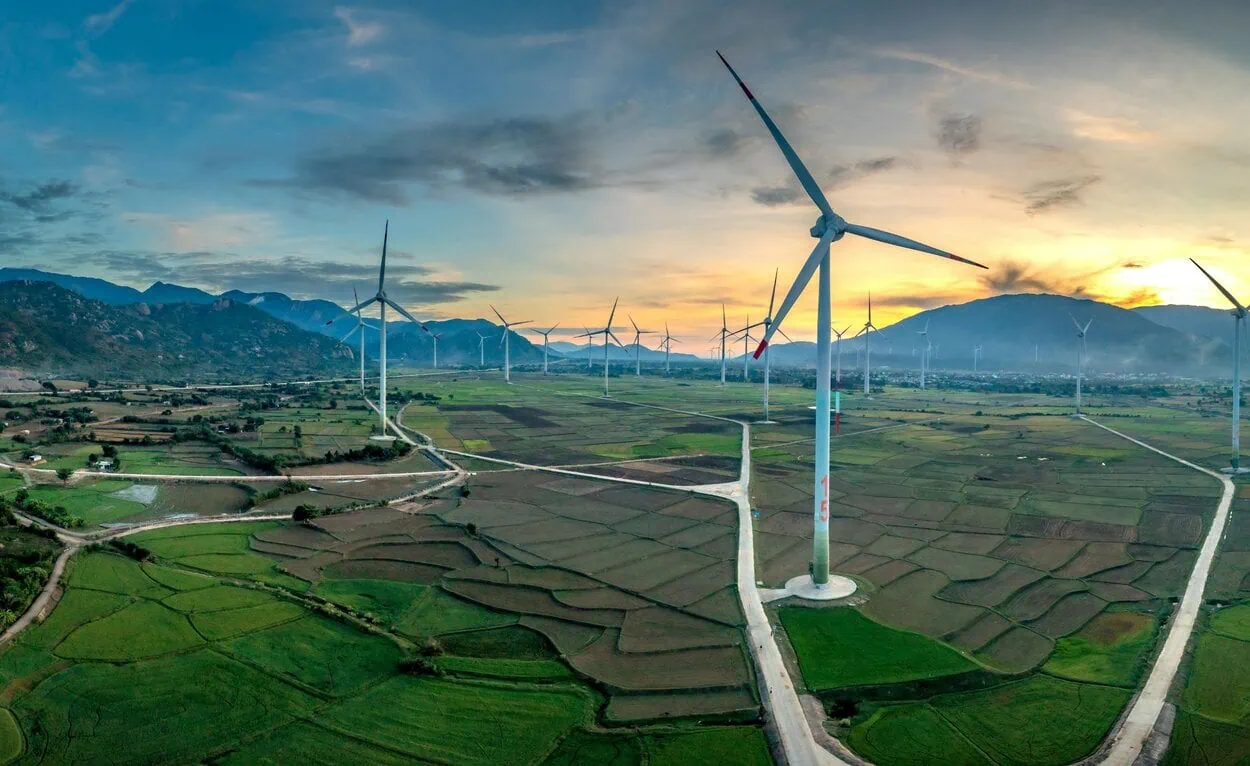
Renewable energy infrastructure requires stable climatic conditions. Climate change and weather patterns influence performance and longevity.
AI algorithms process past weather patterns, geographical data, flood patterns, and wind patterns over several decades. They enable more informed management decisions.
This improves the long-term viability of operations and investment decisions. The planning process is based on facts, not hypotheses.

Investors and stakeholders require accurate sustainability reporting. Carbon accounting for decentralized resources is labour-intensive and error-susceptible.
AI solutions automate carbon accounting based on production data and grid composition analysis. Real-time monitoring of performance is made possible through dashboards.
This enhances accuracy, traceability, and investor confidence. Sustainability reporting is made an integral part of business-as-usual activities.
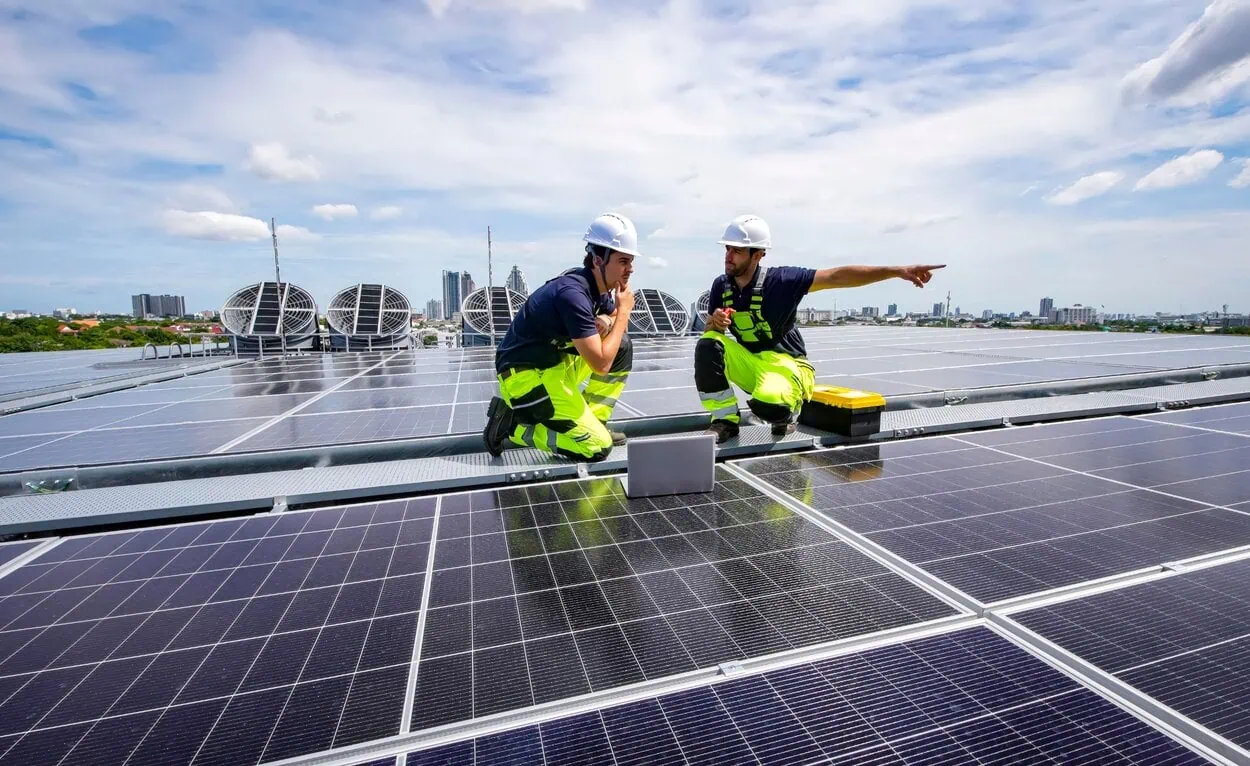
The lifespan of renewable energy projects spans several decades. Performance, policy, and market dynamics change with time. Static financial models fail to capture these dynamics.
AI scenario analysis combines degradation rates, maintenance budgets, policy changes, and market forecasts. Decision-makers can now evaluate alternatives for repowering, expansion, or divestment with improved foresight.
Capital planning transforms from a reactive process to a predictive one. Long-term financial returns become more justifiable and data-driven.
The ten applications outlined above show where AI operates. But transformation happens when these systems connect across the value chain.
- At the asset level, AI enhances performance. Forecasting, predictive maintenance, and performance analysis optimize availability and minimize variability. This is operational intelligence. It protects margins and stabilizes output.
- At the system level, AI manages complexity. Grid optimization, energy storage management, and decentralized system control manages the ever-changing supply and demand dynamics. This is network intelligence. It enhances resilience and reliability.
- At the market level, AI impacts revenue and investment strategies. Trading analytics, carbon management, and lifecycle planning defines the pricing, investment, and expansion of energy. This is strategic intelligence. It drives long-term competitiveness.
The real shift is not isolated optimization. It is the convergence of operational, network, and strategic intelligence into a single decision surface. Data flows from turbines to solar panels and then to grid operators and trading floors. Analysis and insights move from real-time operations rooms to the boardroom for investment decisions.
This multi-layered change is what is transforming the renewable energy sector. AI is no longer just improving equipment performance. It is influencing how assets are built, how grids are balanced, how markets are navigated, and how capital is deployed.
| Value Chain Layer | Primary Focus | Decision Horizon | Risk Addressed | Competitive Advantage Created |
|---|---|---|---|---|
| Asset Intelligence | Performance and uptime | Seconds to weeks | Mechanical failure, output loss | Higher efficiency and lower O&M costs |
| System Intelligence | Grid coordination and load balance | Seconds to hours | Instability, curtailment, congestion | Greater reliability and resilience |
| Market Intelligence | Pricing, trading, and portfolio strategy | Hours to years | Revenue volatility, regulatory exposure | Stronger margins and capital allocation |
| Sustainability Intelligence | Carbon measurement and compliance | Quarterly to annual | Reporting errors, ESG risk | Investor trust and regulatory alignment |
| Strategic Planning Intelligence | Lifecycle modeling and expansion planning | Multi-year | Asset degradation, policy shifts | Long-term portfolio optimization |
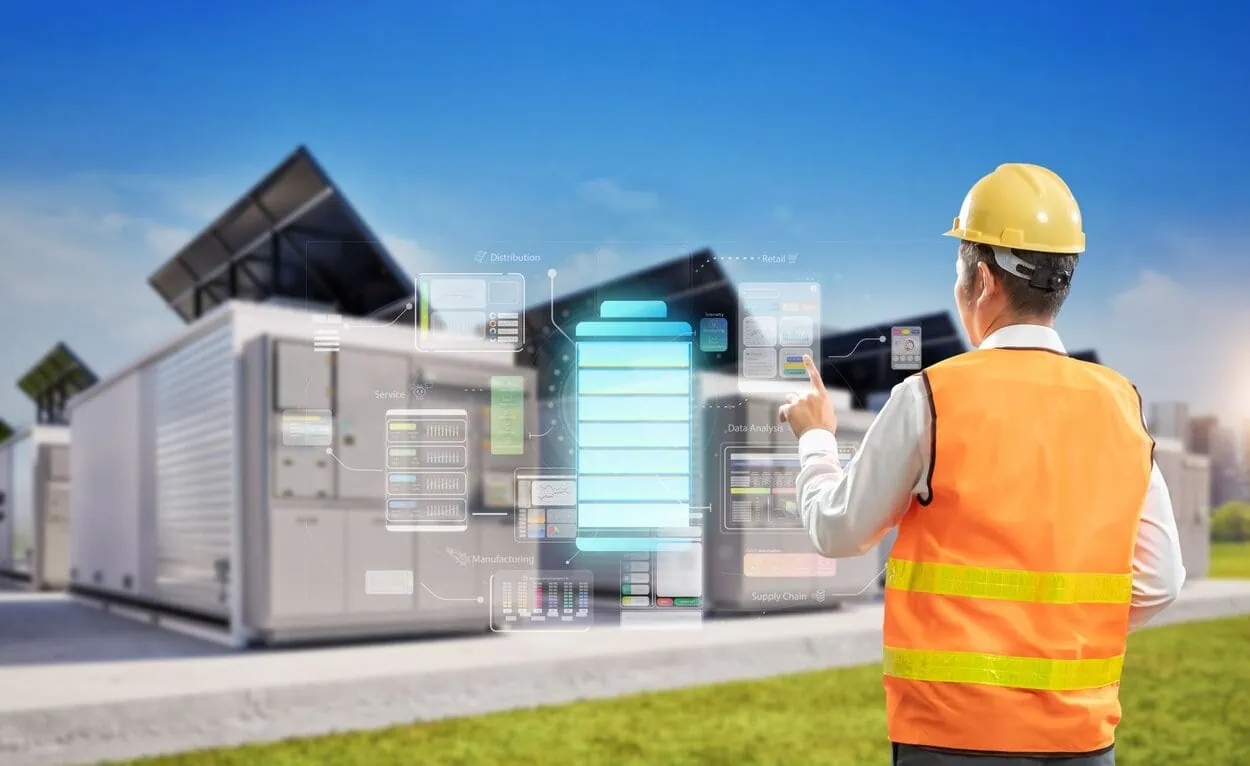
AI adoption is not a technology upgrade. It is an organizational shift. Many renewable companies invest in pilots before assessing structural readiness.
- True readiness starts with data architecture. Sensor data needs to be harmonized, time-stamped, and shareable across assets. Diverse SCADA systems and labor-intensive reporting processes undermine model accuracy even before the model-building process has started.
- Clear economic intent is equally important. There needs to be a clear outcome for AI, such as less curtailment, lower imbalance costs, and better trading margins. Without clear objectives, R&D becomes aimless.
- Governance is becoming an important consideration. With AI systems affecting dispatch, bids, and maintenance, there needs to be a clear accountability structure. Executives need insight into how AI systems make decisions, not just what they decide.
- Finally, cultural alignment determines scale. There needs to be a common set of performance metrics for engineers, traders, data scientists, and executives. AI systems fail when they become a solo project rather than a platform.
The barriers are no longer technical alone. They are architectural, regulatory, and organizational.
- Data fragmentation remains the first constraint. Legacy systems were never designed to handle machine learning workflows. There needs to be a complete overhaul of how data moves between assets and business units.
- Pilot projects reveal hidden complexities. AI systems that work well at one wind farm may not work well at another due to regional climate differences, equipment variations, and market regulations. Robust validation frameworks are essential.
- Model governance and compliance are becoming central. Energy systems operate under strict reliability standards. As AI begins influencing grid behavior and financial exposure, auditability and explainability move from optional to mandatory.
- Cybersecurity exposure expands with connected assets. AI platforms increase the digital surface area of renewable infrastructure. Security needs to be integrated into architecture, not an afterthought.
- Talent structure is also evolving. There is a growing need for hybrid talent, people who know both energy and data science. This problem cannot be solved by hiring more people; it needs to be solved by organizational transformation.
AI adoption in renewable energy is a layered investment. Costs extend beyond model development and often begin with strengthening data foundations.
- Data infrastructure typically absorbs the largest share early on. Many renewable portfolios operate on fragmented systems. Before AI delivers value, data must be standardized, integrated, and secured.
- Model development costs depend on complexity. Forecasting tools require less customization than real-time optimization or trading systems. Validation and testing are critical in regulated energy environments.
- Deployment and integration determine whether AI is actually used. Systems must connect to dispatch platforms, monitoring tools, and trading workflows. Strong integration drives adoption.
- Maintenance is continuous. Models must be retrained as weather patterns shift, assets degrade, and market rules evolve. AI in energy is not static software.
- Security and compliance add another structural layer. As AI systems influence operational and financial decisions, auditability and cybersecurity become essential.
AI Implementation Cost Components
| Cost Component | Description | Typical Share of Budget | Strategic Consideration |
|---|---|---|---|
| Data Infrastructure | Cloud systems, storage, integration pipelines | 25–35% | Enables scalability |
| Model Development | Algorithm design, testing, validation | 20–30% | Varies by complexity |
| Deployment & Integration | APIs, dashboards, system linkage | 15–20% | Drives real-world adoption |
| Maintenance & Monitoring | Retraining and performance tracking | 10–15% | Prevents model drift |
| Security & Compliance | Cybersecurity and audit controls | 10–15% | Protects grid and revenue integrity |
A renewable portfolio operator managing wind and solar assets struggled with forecast gaps and reactive maintenance.
Asset data, weather inputs, and market signals were fragmented. Imbalance penalties increased. Downtime was unpredictable. Visibility across sites was limited.- We deployed an AI-driven platform integrating telemetry, weather models, and trading data into one operational layer.
- Forecasting improved. Maintenance became condition-based. Leadership gained real-time portfolio visibility.
- 20% reduction in forecasting error
- 22% decrease in unplanned downtime
- 15% improvement in margin stability
- Unified, real-time performance tracking
The next decade will deepen integration between AI and energy systems.
- Autonomous Renewable Plants: Wind and solar farms will self-adjust in real time using continuous learning models. Human oversight will shift from control to supervision.
- AI-Driven Digital Twins: Real-time digital replicas of assets and grids will simulate performance, degradation, and failure scenarios before they occur.
- Reinforcement Learning for Grid Stability: Advanced models will dynamically manage voltage, congestion, and frequency as renewable penetration increases.
- AI-Orchestrated Virtual Power Plants (VPPs): Distributed assets — rooftop solar, batteries, EVs — will be aggregated and dispatched as coordinated energy networks.
- Energy + Electric Mobility Convergence: AI will align EV charging patterns with renewable generation peaks, reducing grid strain and improving utilization.
- Autonomous Energy Trading Systems: Fully automated bidding strategies will respond instantly to weather shifts, price signals, and regulatory changes.
- AI-Optimized Energy Storage Technologies: Beyond lithium-ion, AI will optimize hybrid storage systems including hydrogen, thermal storage, and long-duration batteries.
- Climate-Adaptive Forecasting Models: As weather volatility increases, AI models will incorporate long-term climate risk and extreme event prediction.
- AI Governance and Regulatory Alignment: Explainability, auditability, and compliance frameworks will become mandatory as AI influences grid-critical decisions.
- Human–AI Collaboration Platforms: Generative AI copilots will assist operators, engineers, and traders with scenario modeling and decision support.
- Start with high-impact use cases such as forecasting or maintenance.
- Invest in strong data foundations before scaling.
- Align AI initiatives with measurable business objectives.
- Build interdisciplinary teams combining energy and AI expertise.
- Choose technology partners with domain understanding.
-
AI adoption should be phased, structured, and outcome-driven.
Renewable energy operations are becoming increasingly complex. Variability, decentralization, and market volatility demand intelligent systems. AI offers tools to forecast better, maintain smarter, trade strategically, and plan confidently.
The transformation is practical rather than theoretical. It impacts uptime, profitability, resilience, and investor trust. Organizations that treat AI as strategic infrastructure will lead the next phase of energy transition.
At iProgrammer Solutions, we work closely with renewable energy leaders to build AI-powered platforms that scale with ambition. Our approach blends engineering rigor with operational understanding.
Why Choose iProgrammer
- Energy-focused architecture built around real renewable workflows, not generic AI models.
- End-to-end platform delivery from data pipelines to analytics and governance.
- Seamless operational integration with SCADA, IoT, ERP, and financial systems.
- Cloud-native scalability designed for multi-asset, multi-region expansion.
- Security and compliance by design for grid-connected environments.
- Built-in model monitoring and governance to ensure long-term reliability.
- User-centric dashboards and mobility tools for field and leadership teams.
- Future-ready foundations supporting digital twins and autonomous optimization.
Moreover, our expertise in mobile application development ensures field teams access real-time intelligence.
Our strength in web application development enables centralized dashboards, analytics engines, and secure integrations. We combine domain knowledge with engineering precision.